



By Mary-Justine Lanyon
When Leslie Dodge Taylor graduated from high school, she, like so many of her fellow graduates, had no idea what she was going to do.
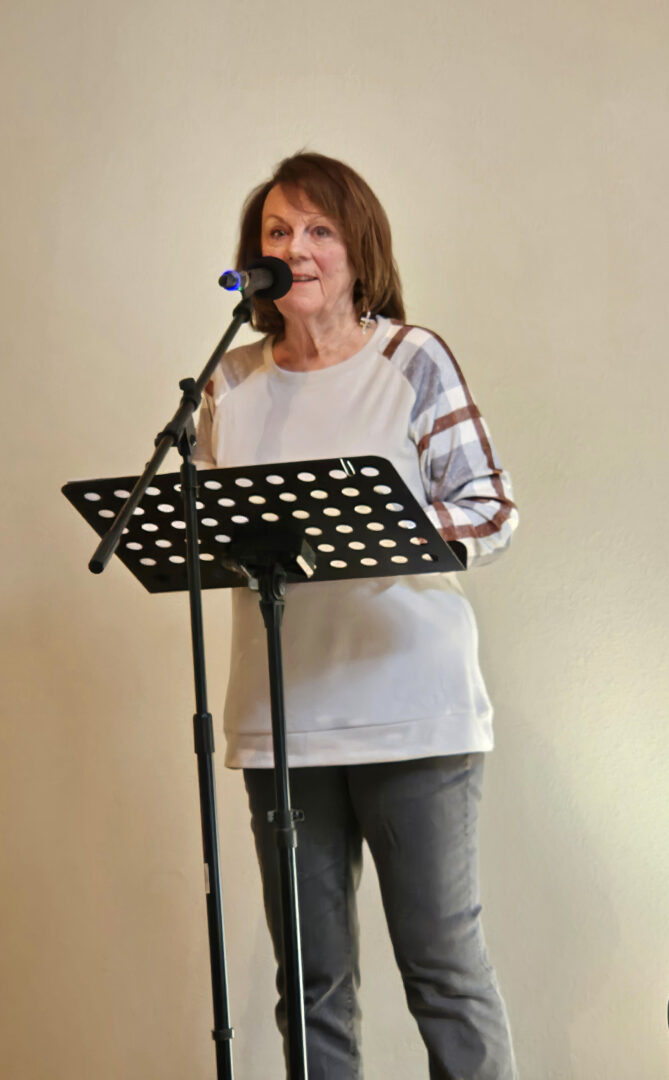
“I knew I wanted to do something where I would make a difference,” she told the Women’s Club of Lake Arrowhead at their Oct. 15 meeting.
When a friend suggested she become an airline stewardess – as the flight attendants were called in the 60s – she applied with Continental Airlines.
After some back and forth about her freckles and her knees, Dodge Taylor was asked if she would consider flying men to the war zone in Vietnam. “I said OK, not knowing what the war zone was,” she said.
“I got more than I bargained for.”
She flew the men – most of whom were really young boys – in on 707s, picking them up from several air bases. They flew 165 soldiers “in country” and picked up 165 to take them back to “the world.”
“I get choked up talking about this,” Dodge Taylor said, “because of what they did and what the country didn’t do when they came home.”
She and the other stewardesses used to make deals with the ground crews for beer to take to the men.
They picked up all branches of the military. The Continental pilots, she noted, were ex-military pilots. “We called them the cowboys of the skies. They called us the angels of the skies.”
The soldiers on their way to Vietnam were “psyched up,” she said – anticipation tinged with fear of the unknown.
It wasn’t easy bring them home. “They were traumatized and had blank looks on their faces. Their eyes weren’t sad – they looked dead.” And when it was time for her to give them some food, she had to poke them on the shoulder as they’d come up fighting.
On one trip, when they got to Da Nang, the plane was taking on small arms fire. “The pilot turned the plane upside down to avoid it,” she said.
When Dodge Taylor asked to visit someone on the paraplegic ward in a hospital, she met an airman from Georgia. When she told him her mother was going to Georgia, he asked if she could get a message to his family, telling them he was alive. Her mother did just that. Later, the airman’s brother sent Dodge Taylor a message, thanking her and her mother for the trouble they took to get the message to them.
“It seems to me,” the brother wrote, “people forget their common denomination of being human. Your unselfish act reminds me we can all do more.”
Dodge Taylor’s message is the importance of doing something that matters. “We need to teach our youth to do so,” she said.
Today she thinks about the young men she brought home who are still dealing with the after-effects of war.
“All war is bad,” she said. “These young men were thrown into circumstances they couldn’t even fathom. So many are still hurting to this day.”





0 Comments