




 The Federal Reserve has finally made its move. After keeping interest rates steady through the first five meetings of 2025, the Fed announced a quarter-point cut, setting its benchmark federal funds rate between 4 and 4.25 percent.
For months, buyers, sellers and investors alike have been waiting to see when the Fed would adjust its policy. But before you assume this means mortgage rates are about to tumble, let’s set the record straight: The Federal Reserve does not set mortgage rates.
What the Fed does control is its federal funds rate – the short-term rate banks charge each other for overnight loans. This benchmark influences the cost of borrowing across the economy, but mortgage rates move on their own path, tied more closely to the bond market and investor demand than to the Fed’s announcements. That’s why, historically, mortgage rates have sometimes even ticked up right after a Fed cut.
So why did the Fed act now? A weaker jobs report in August, which pushed unemployment to 4.3 percent, gave the central bank confidence to provide support for the labor market. Fed Chair Jerome Powell has been signaling a careful approach for months, and this cut may be the first step in what many expect to be a gradual easing cycle continuing into late 2025.
What does this mean for your wallet? For one, savings account holders and CD investors may see yields begin to dip, which is disappointing for those who have enjoyed higher returns on safe money over the past two years. On the flip side, borrowers could see some relief – especially in credit card rates and personal loans – as banks adjust. Stock market optimism is already riding on the expectation of further cuts, which could boost retirement and investment accounts.
And mortgage rates? They’ve already drifted lower this summer, with the average sitting around 6.35 percent in early September. That’s good news for affordability, but it doesn’t mean we’ll see a dramatic drop overnight. If mortgage rates do slide further, buyers may gain purchasing power and refinancing could become more attractive. But sellers should also recognize that lower rates, even modest ones, can bring more buyers back into the market, helping to improve demand.
The Fed meets again in late October and December and, while additional cuts are possible, nothing is guaranteed. Tariff-related inflation and global economic pressures will continue to influence the Fed’s decisions.
If you’re thinking about buying or selling in the months ahead, the key takeaway is this: Don’t pin your strategy on Fed announcements alone. Mortgage rates don’t always respond in lockstep and local market conditions matter just as much as national policy. Speak with a trusted real estate professional who can help you navigate both the numbers and the neighborhood. In times like these, expert guidance can be the difference between hesitation and making the right move at the right time.
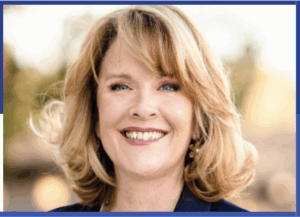
Theresa Grant is a real estate broker and columnist covering Lake Arrowhead, Crestline, Running Springs and the surrounding mountain communities. Reach her at (909) 442-1345, visit www.HomesInLakeArrowhead.com and follow her on social media, @TheresaGrantRealtor. Theresa is a Broker Associate with REAL Broker Technologies. DRE#01202881.



0 Comments