



As part of her lecture series on senior concerns, gerontologist Jacque Lauder considered Medicare: how it works and what to consider during the current open enrollment period, which concludes on Dec. 7. The Medicare choices made during open enrollment will go into effect on Jan. 1, 2026.
In her presentation, Lauder discussed the importance of reviewing your current Medicare plan and understanding changes that may happen in 2026. In reviewing their plans, Medicare participants should consider costs, coverage, prescription drugs and provider choices.
“Avoid blinding reenrolling in your current plan,” Lauder cautioned. “It can change significantly year to year. You might remain with your plan but later learn the provider network has become smaller and your doctor is no longer included.”
She urged those enrolled in Medicare to confirm their plan still offers the best coverage for their needs. “Read the list of covered medications in Part D plans carefully,” she said.
Some key changes for Medicare Part D in 2026 include:
- The maximum out-of-pocket cost increases from $2,000 to $2,100.
- The standard initial deductible will rise from $590 to $615. Beneficiaries will need to pay more out-of-pocket before their plan starts to cover costs.
- The Medicare Prescription Payment Plan allows beneficiaries to spread prescription drug payments throughout the year instead of paying a lump sum at the pharmacy. The program is voluntary. Those enrolled in MPPP in 2025 will be automatically reenrolled in 2026 unless they opt out.
Lauder shared that the Inflation Reduction Act ensures that those who take insulin will pay no more than $35 for a one-month supply.
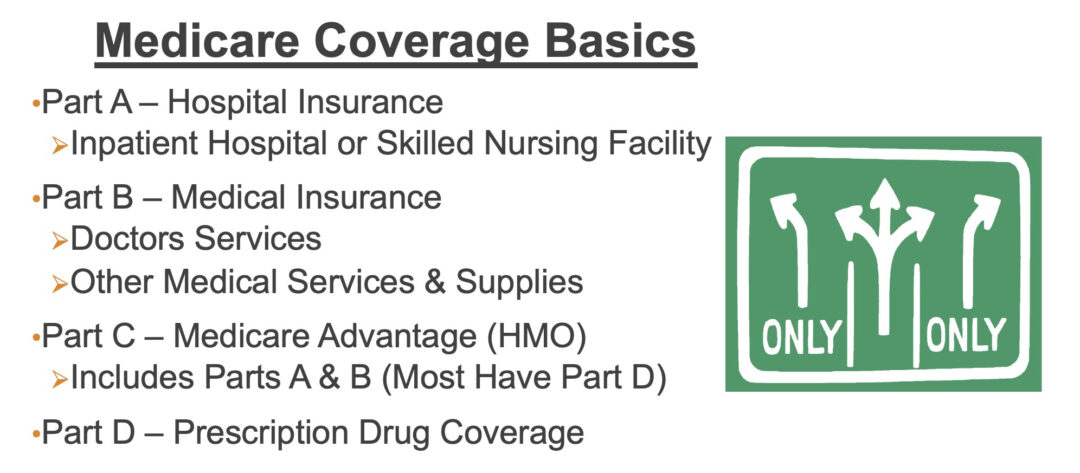
She broke down the Medicare Parts A and B.
Part A helps pay for inpatient hospital care; short-term stays in skilled nursing facilities for rehabilitation after a hospital stay; hospice care; part-time or intermittent home healthcare.
Part B, which requires a premium, covers visit with primary care physicians and specialists; outpatient care; home health services; durable medical equipment such as wheelchairs and walkers.
Part B also covers preventive services aimed at early detection such as screenings for diabetes, cardiovascular diseases and certain cancers; vaccinations; and annual wellness visits. Part B also covers lab tests, mental health services and telehealth visits.
For more information, visit Medicare.gov where you can compare plans (Medicare.gov/plan-compare).





0 Comments