



By Douglas W. Motley
Senior Writer
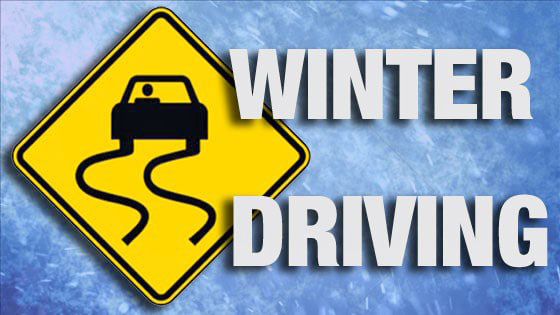
The American Automobile Association (AAA) advises staying home when winter weather conditions exist and only driving when it is necessary. If you deem it necessary, clear all snow and ice from windows, lights and roof, check tires, wipers and fluids and keep gas tank half full. Then, let the car warm up for at least 30 seconds to one minute to circulate oil before driving gently.
While driving, slow down – reduce speed significantly and increase following distance. Accelerate, brake and steer slowly and smoothly to maintain traction and apply brakes with steady, firm pressure; don’t slam on the brakes. Brake before ice, not on it.
As far as skids, ease off of the gas and steer into the skid in the direction of the slide. Never use cruise control on slippery surfaces and be wary of bridges and shaded spots, since they freeze first.
During most winter storms on the mountain, it will start snowing at first in the higher elevations such as Snow Valley, Green Valley Lake and Big Bear, where as much as three to five feet of snow is not uncommon. At the same time, communities at lower altitudes, such as Lake Arrowhead and Crestline, usually get less snow, anywhere from a few inches to a couple of feet, which poses less danger, but still dangerous, nonetheless. Having an all-wheel-drive or four-wheel-drive vehicle with snow tires is beneficial. However, you will be safer if you have chains or cables on all four tires. If you need to put on chains, wait until you can pull completely off the roadway to the right. In fact, the California Highway Patrol (CHP) may require you to pull into a chain control turnout and install the chains. If you are not up to doing it yourself, there are usually trained and licensed chain installers available to do this for a fee.
Of particular concern is “black ice,” which can form overnight when the temperature is below freezing. This is a dangerous, nearly invisible thin coating of transparent ice that forms on roadways, sidewalks and other surfaces. It is often found where snow has melted and left a puddle of water on the pavement, which can turn into ice overnight. The reason it is called “black ice” is because it takes on the dark color of the pavement beneath, making it very difficult to spot and often mistaken for a merely wet surface.
The CHP advises motorists to have wintertime emergency supplies, such as snow chains, jumper cables and a battery charger. They also recommend having a full tank of gas and to carry a blanket, sleeping bag, dry clothing, hats, mittens, bottled water, snacks and a cell phone to place emergency phone calls.
CHP Officer Jacob Griede cautions motorists to drive slowly and with caution during periods of rain and or snow. “Be patient, leave early and carry blankets, warm clothing, emergency first aid supplies and extra water and snacks when driving in winter weather,” said Griede.



0 Comments