



By RHEA-FRANCES TETLEY
Historian
Most mountain residents know the Yaamava Resort and Casino is operated by the San Manuel Band of Mission Indians. However, few know those Serranos formerly lived on this mountain.
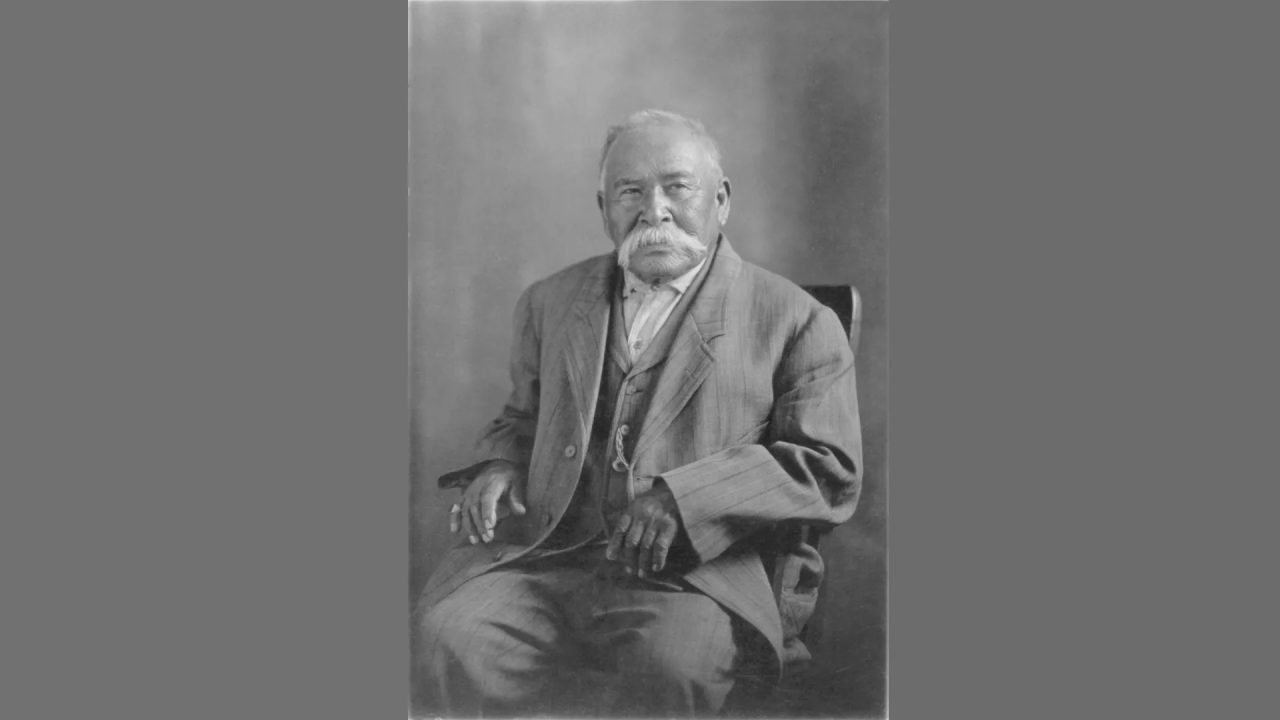
The San Manuel Band of Mission Indians named themselves after Santos Manuel (known by his tribe as Paakuma’) for his bravery and intelligence and for saving his people from eradication by leading them safely off the mountain.
Their creator told the tribe to live in harmony with the land, the trees, plants and animals and taught them to live peacefully, calling themselves “Yuhaaviatam,” aka “The People of the Pines.” For thousands of years, they relocated with the ripening of the seeds and fruits, living in the desert during the winter and the mountains during the spring, summer and fall.
The last name of Santos was given to Paakuma’s father by the Spanish who named the tribe “Serrano,” meaning “Highlander.” Paakuma’ was born near Big Bear in 1814.
Paakuma’ was smart and learned swiftly, becoming an excellent deer hunter, who gave away his first kill, demonstrating his generous spirit. The elders already respected him when he was only 12 years old because of his strong body, bravery, attentive mind and his natural skills as a leader and healer. By the mid-1800’s, Paakuma’ became the Kiika’ (leader) of the Yuhaaviatam.
The other tribes so respected Paakuma’ that they would request permission before hunting in the mountains. When the Americans arrived, their logging intrusion into the mountains changed things, but a peaceful co-existence was being attempted by Paakuma’ and the Yuhaaviatam.
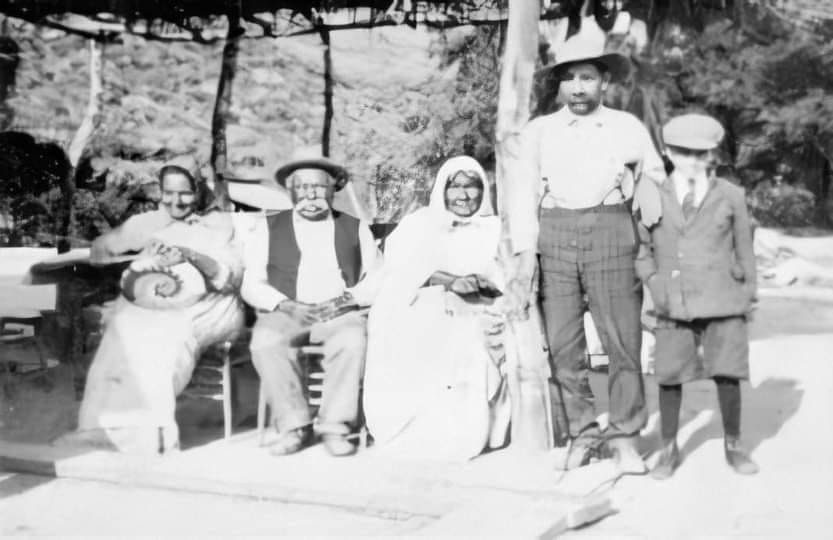
Santos Manuel with his family.
In 1866, burnt sawmills and the Dunlap Ranch murders led to the Battle of Indian Hill between Paiute Indians and loggers. Then the San Bernardino Sheriff’s posse, under approval of California Governor Hiram Johnson, waged a 32-day “clean sweep” intended to remove all Indians from the mountains, killing every Indian man, woman or child they could find, never distinguishing between the tribes. The peaceful Yuhaaviatam were also slated for extermination.
Paakuma’ knew the danger and wisely chose to lead his people into the valley, away from the murderous posse. His actions are heralded as saving the remaining 20 to 30 Yuhaaviatam.
The Yuhaaviatam were refugees who relocated several times before settling in the Warm Creek area 30 years later. When it was safe, Paakuma’ led tribal members into the mountains to hunt, gather natural items for tools, baskets, houses and weapons, so they could continue their lifestyle.
Finally, after much negative national publicity in books – Ramona and Tell Them Willie Boy is Here – President Benjamin Harrison created the San Manuel Reservation as a sovereign nation with the right of self-government in 1891 by proclamation. However, the land allotted to them under the Act for Relief of the Mission Indians was in the barren mountain foothills above Highland. The land was not farmable and living there was barely sustainable.
Santos encouraged his people, reminding them of their obligations to the land and all living things and encouraged them to retain their culture and traditional skills, teaching their culture and stories to their descendants. The tribe continues to follow in Santos’ cultural footsteps, today.
Santos was a holy man, who taught peace and respect, with stewardship for the land, living to be 105 years old as a respected elder, dying in 1919.
The San Manuel tribe, following in Paakuma’s footsteps, tried to live in harmony with the surrounding community. Despite decades of living in poverty, the San Manuel Band is now generous with their fortunes from Yaamava.
On May 20, 2022, Santos Manuel was awarded a posthumous honorary doctorate from California State University San Bernardino in recognition of his profound impact and his family’s ancestral legacy.



0 Comments