




By RHEA-FRANCES TETLEY
Historian
Late summer and early fall are usually sizzling in the San Bernardino Valley with hot Santa Ana winds. In 1905, agriculture was the leading industry, so the crops grew and residents sweltered in the heat. Some wanted to experience cool breezes of the forest with the opportunity to hunt and fish. Vacationing in the cooler mountains was a great idea, but not simple to accomplish.
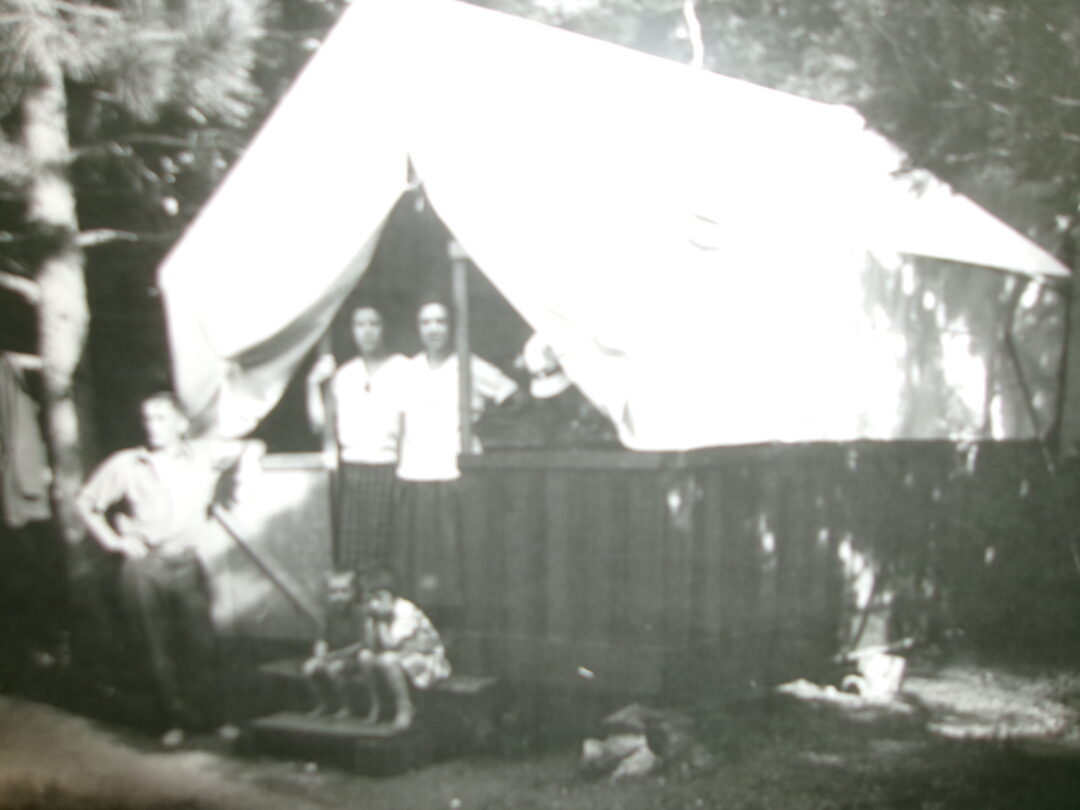
Tent camping
Several families decided to travel together to camp in the Kuffel Canyon area of Little Bear Valley to escape the heat. It was nearly impossible for an individual family to successfully make the trip because of the travel logistics involved.
It took weeks to prepare to spend weeks in the mountains. The horses were bathed and brushed, given new horseshoes and given extra rest before the journey. The harnesses were repaired, cleaned and oiled.
Getting the wagon ready included a trip to the blacksmith shop ensuring the wheels were on tight; needed repairs were made to the running gear, adding additional storage on the wagon itself, including extra sideboards and a spring-seat.
The wagon would be loaded the day before with all the necessary items to sustain a family for several weeks, including clothes in a large trunk, placing it under the front spring-seat. A “sheet iron stove” with oven was loaded for cooking, anticipating wild game would be dinner. Tent poles were stored inside the stovepipes and attached to the outsides of the wagon.
A mattress and springs were often brought for the adults to sleep on, and were placed on their side, behind the seats, along with boxes of cooking utensils, groceries, flour, rice and other necessaries with bedrolls for the youngsters. Depending upon family size, up to five tents would be brought for sleeping for parents, girls and boys, as well as an activity tent and another for food prep. Washboards, buckets, lanterns, shovels, saws and axes, fishing poles and guns were all essential items to bring into the wilderness.
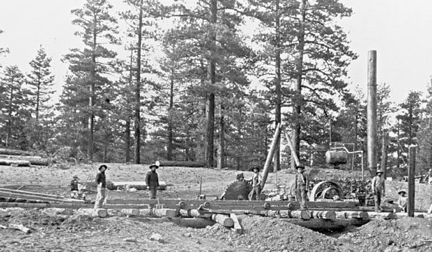
Little Bear Valley moveable sawmill
The horses would need feed for the trip to camp and back, so four bags of oats and barley and four bales of hay were packed. At camp the horses would graze in the meadows or be ridden out to hunt.
Before leaving home, a quick breakfast was eaten. The families met to travel together up the former Arrowhead Reservoir Toll Road, which had just become a free public county road, traveling past the new Arrowhead Springs Hotel and turning into Waterman Canyon. Directly west of the hotel, was the steep Chalk Grade, requiring at least four horses to get over it, so wagons, with only two horses, would wait until the first wagons cleared the grade and then returned hitching those additional horses to their wagons. Traveling as a group was essential to get over the steep grades.
After Chalk Grade was the now abandoned Arrowhead Reservoir Company tollhouse. It had installed several watering troughs in Waterman Canyon along the road for horses and oxen. Most travelers after about 10 hours of travel stopped just past the Vail Ranch at the top of the canyon, at the last watering trough. The horses would be unhitched, watered and fed. The kids would gather up firewood so a light supper could be made. After a couple of hours of rest, the trip would be resumed.
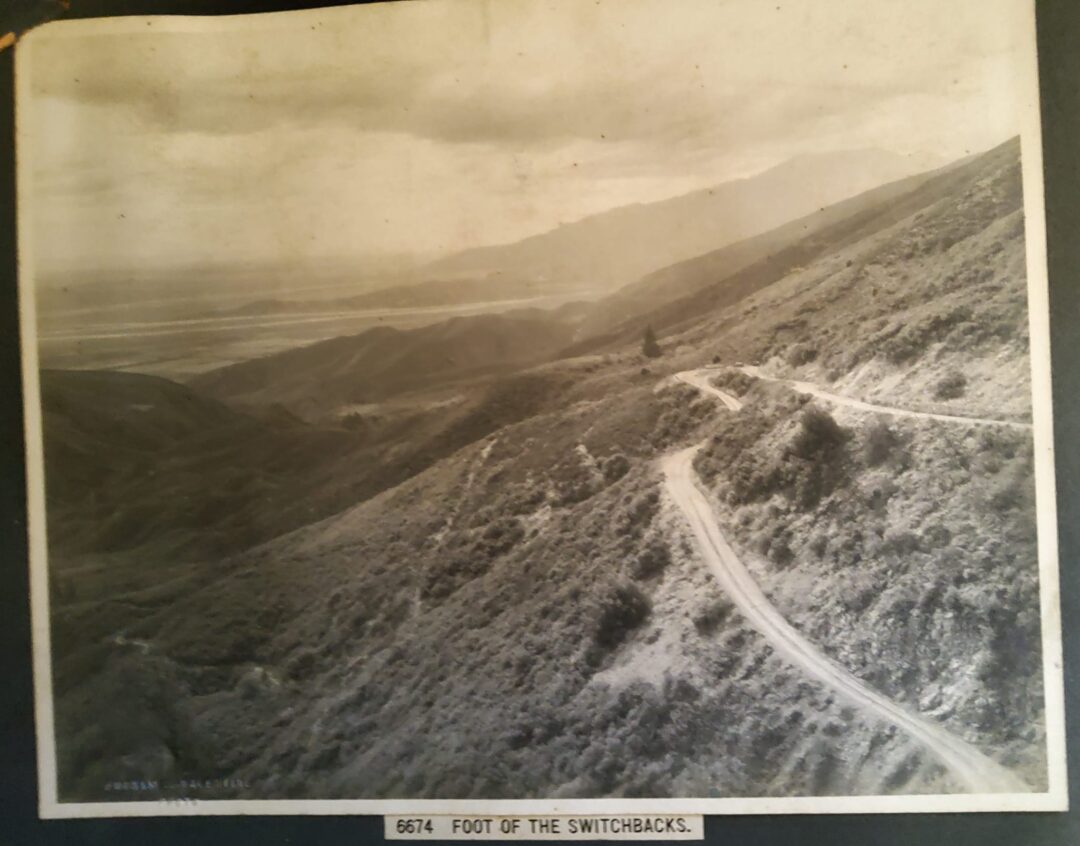
On the narrow one-lane section of road from the top of Waterman Canyon up to the crest were “the switchbacks” and, because of the lack of trees over the roadway, it was better to travel in the coolness of the night. In the darkness, the older children would be given lanterns and told to walk far ahead of the wagons to both light the way and listen for wagon bells and sound an alarm since downhill lumber wagons had right of way over uphill wagons.
twtd camping 3



0 Comments