



By Douglas W. Motley
Senior Writer
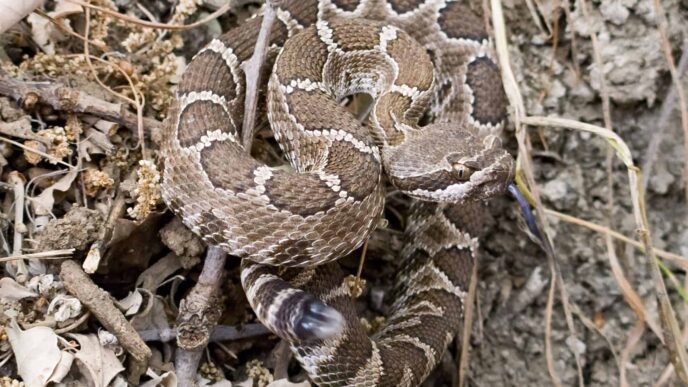
The Southern Pacific rattlesnake, the most commonly encountered poisonous snake in the San Bernardino Mountains, is potentially more dangerous than its desert cousin, the Mojave Green.
This startling revelation was made by Dr. Sean Bush, previously a professor of emergency medicine and the emergency room physician at Loma Linda University Medical Center. In 2022 Dr. Bush was elected president of the North American Society of Toxicology. He also serves on the World Health Organization Snakebite Envenoming Roster.
“The Southern Pacific is a triple-threat because some of them have three different types of venom,” Bush told the Alpine Mountaineer. In addition to its regular venom, which attacks red blood cells, it causes internal bleeding, swelling and tissue loss. “Some of the reptiles,” said Bush, “have acquired the Mojave Green neurotoxin, while others seem to have a newly discovered venom, called hellerase.”
Hellerase is a term derived from the Southern Pacific’s scientific name (Crotalus viridis helleri). A previously unknown toxin, it causes what Bush described as “bizarre, wicked twitching, which has been described as feeling like worms are crawling under the skin, and it is not well neutralized by antivenom,” he said. This could start within minutes after being bitten.
It is important to immediately seek medical treatment if bitten, as the longer between bite and treatment, the more possible damage the victim will suffer. Two weeks ago, a teen in Riverside fell from her horse in some weeds, and a rattle snake bit her. She didn’t realize it and continued her ride. When she went to the hospital the next day because her foot was swelling up, she was informed of the snake bite and received delayed treatment. Weeks later she is still unable to walk on that foot, which is still black and swollen. Reports say it may be several more weeks before she will be able to walk on it again.
It was reported this week that seven people have been bitten in Ventura County so far this spring. Locally numerous baby rattlesnakes have been seen in Crestline this last week.
Snake avoidance classes for dogs were previously offered in Crestline. Those classes made the dog a snake detector and assisted those who hiked with their dogs to avoid snakes, as the dog would notify their owner when a snake was in the area. Fewer snake bites were reported. It is still a good idea to enroll dogs who live on the mountain in snake avoidance classes, as it is money well spent.
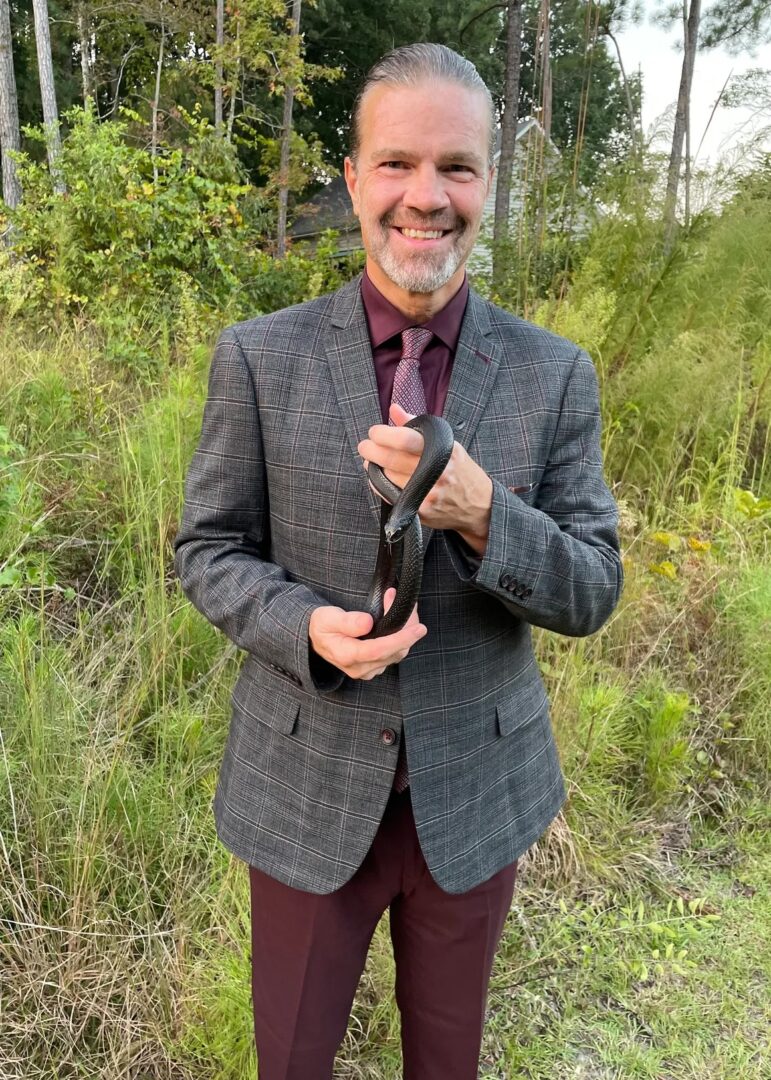
Dr. Sean Bush
Dogs who get bitten by a snake often die from those bites or incur extremely high vet bills being saved. Dogs without snake avoidance training often were just trying to play with the slithering snakes when they got bitten.
The length of a rattlesnake victim’s hospital stay varies from one patient to the next. It can be as little as eight hours or as much as 48 hours, depending on how much time has elapsed before the victim seeks medical attention.
Rather than having someone drive a bite victim to the hospital, Bush recommends calling 911 immediately for emergency medical transport, especially from the mountains. The bite inflicted by a Southern Pacific rattlesnake is considered serious because its venom causes intense pain, swelling and numbness and destroys tissues inside the body “The longer you wait the more damage that can be done to local tissues. Your best bet is a cell phone and a copter,” said Bush.
Though he’s only witnessed two patients die from rattlesnake bites, much internal or tissue damage can be caused to the patient. Bush said there are many different ways you can die from a bite.
“Rattlesnake bites are a difficult problem to treat because many things can go wrong. Respiratory paralysis may set in after just a few minutes, depending on where you were bitten and how much venom was injected. Complications, such as internal bleeding and/or kidney problems could occur within a few days or a week, even following antivenom treatments,” he noted.
Anti-venom is created by getting venom from a rattlesnake and treating that venom with a chemical compound to create the anti-venom. Bush showed this reporter, during the interview, how he extracted the venom from a rattlesnake. They keep the anti-venom on hand at the emergency room for bite victims at Loma Linda. Not all hospitals have anti-venom in stock. It is best for the bite victim if the anti-venom is administered within an hour of the bite.
Dr. Bush is well- known for his appearances on the Discovery Channel’s Venom ER and I was Bitten TV series, now available on YouTube. He dispelled the common misconception that immature rattlers are more deadly than mature ones. While it’s true that immature rattlesnakes tend to inject a larger percentage of their poisonous venom, they have less venom to inject than a mature snake, he said.
A rattlesnake is easily identified by the triangular shape of its head, which is three times wider than its neck. They are not naturally aggressive and will normally not attack people unless they feel threatened. “Most rattlesnakes bites occur when people try to interact with snakes by picking them up, taunting them or trying to kill them,” said Bush, who has been a snake lover all his life.
All snakes have an important role in nature; they help control the population of mice, rats and other undesirable rodents. If you suspect that a rattlesnake has slithered onto your property and it refuses to leave on its own, call the county Animal Control Department. They will gladly come out and remove the dangerous viper from your residence.


0 Comments