



By DOUGLAS W. MOTLEY
Senior Writer
Congratulations: According to fire protection agencies and most, if not all, homeowner insurance companies, you live in a fire danger zone, and earthquakes are a real possibility as well. You need to be prepared for an emergency and need to know what to do. The most important thing to be is to be prepared.
Before another wildland fire sweeps through the area – and it almost certainly will sooner or later, as history has demonstrated time and again – make a plan of where family members will meet, if you find yourself separated from them, whether it be in the neighborhood, on the mountain or down the hill. Everyone should know all family members’ landline and cellphone telephone numbers and an out-of-area family member to contact to let them know where you are, if need be.
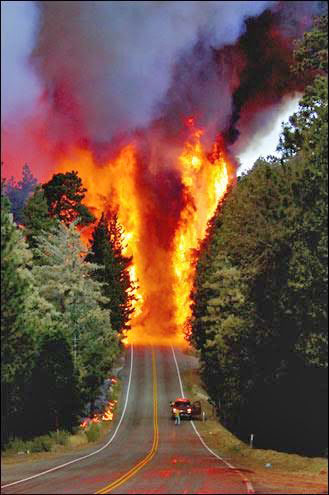
In the case of a wildfire, you may have as long as two to four hours to evacuate, or as short as five to 15 minutes to get your stuff ready to leave. If told by authorities to leave immediately, load all family members and pets in the car and leave. Your life is more important than stuff.
First, before you must evacuate, prepare an evacuation checklist. To put it in short order, remember the Four Ps: (1) Papers and documents (2) Pictures (3) Prescriptions and medicines (4) Pets and their support items.
Know in advance where your important papers and documents are, so they can be quickly gathered and taken at a moment’s notice. It’s best to prepare a particular drawer or a waterproof plastic “grab-and-go” box or bag in advance, where everything is in one place so it can be grabbed and taken with you.
Some of the following important papers can be placed in advance in a safe deposit box, if you want extra security. What you should include are insurance policies for your home and vehicles and medical insurance cards and policy. You should have photos of every room in your house, showing your valuables, inventories of valuables, furniture, appliances and electronics, including serial numbers, your deeds, mortgages or rental agreements, bank account numbers, credit cards, loan documents, wills or living trusts, copies of important documents, warranties, DMV titles and registration and two years of income tax records. They should already be in a safe place or ready to go.
evacuation 2
Your driver’s license, monthly bills, backups or thumb drives of computer hard drives, family photos, cash and medicines and anything else you consider important should be accessible and ready to take as you evacuate.
If a fire is in the area, be sure your car is parked facing outward, so you don’t have to back out of your driveway. During fire season you should never let your car’s gas tank get more than half empty, as you may have to evacuate through Big Bear or Hesperia, if the front side of the mountain is closed off by fire. As you leave, you should take your pets and pet food and water, as well as a sturdy pet carrying cage.
Have a “ready-to-leave” backpack filled with emergency supplies, in case you cannot reach a shelter immediately. The backpack or emergency plastic container should include food, daily medicines and prescriptions, extra eyeglasses, pet and baby items, copies of driver’s licenses or ID, cash and sanitary supplies such as toilet paper, trash bags, disposable wipes and a small bucket. This backpack should be readily available, near the front door. Remember to have at least two changes of clothes ready to go for each person.
Other supplies to consider taking include camping gear, blankets and extra batteries and flashlights, battery-operated radio, pencils and paper, food items that do not need refrigeration and a can opener, a pan and camp stove, heavy-duty gloves, jackets or sweatshirts, even in hot weather, as well as rain gear, boots, socks and hats that may be needed during the evacuation. It is also recommended to take one gallon of water per person and a first aid kit.
If you have children, take a book, a handheld video game (more extra batteries or recharger) or other toys to keep them occupied. Take snacks they like and, if possible, present a calm attitude, as it will help others cope with the change and confusion of the evacuation.
Know at least two ways to exit your neighborhood, in case one is blocked by fire. Lock your doors and leave a note in an obvious place stating when you left and where you are intending to go.
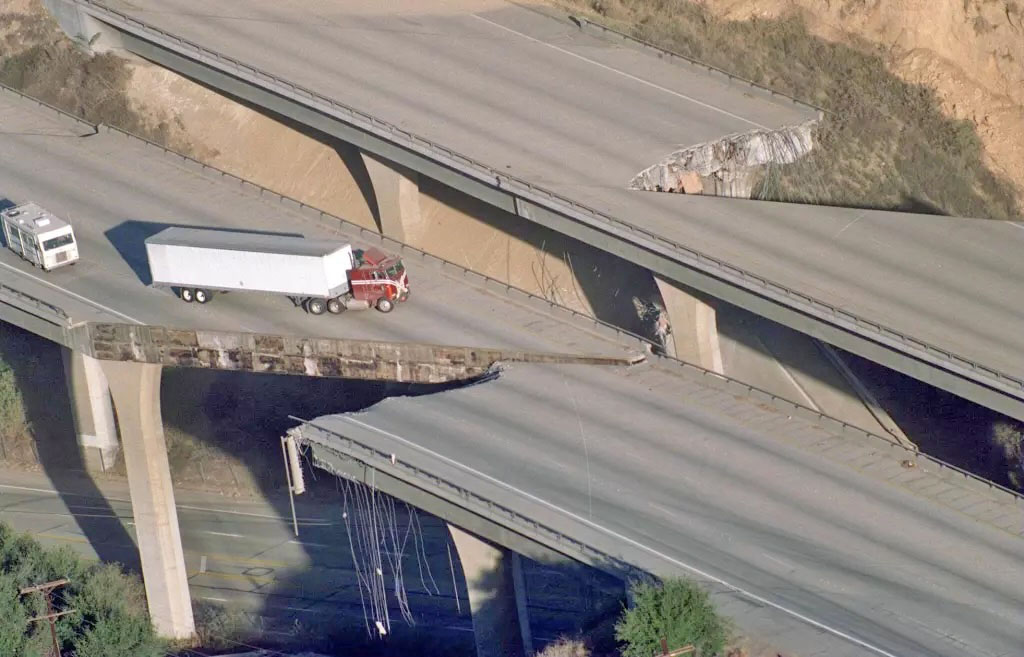
In the event there has been a significant earthquake, it is likely that one or more of the bridges and viaducts leading into or out of the mountain may be damaged or destroyed. If this is the case, have sturdy hiking boots to safely hike down the mountain to a populated area.
If you have time to do so, check on nearby neighbors, especially elderly ones, to see if they need help loading emergency supplies or a ride out of the affected area.
Follow the directions of law enforcement and fire officials directing the evacuation. Drive calmly out of the area at a reasonable speed, with your headlights on, even in the daylight. Never use off-road short cuts because, if you break down, no one may find you until it is too late.
Register at the evacuation shelter, even if you are staying with friends or family members, so authorities can account for all residents. Contact your insurance agents while at the evacuation center.
Lastly, stay out of the fire or disaster area, until told by authorities it is safe to re-enter.





0 Comments