



By RHEA-FRANCES TETLEY
Staff Writer
Insurance in California is changing, reflecting the current changing weather conditions and fire dangers which affect the possibilities of losses. It will change even more as the state adopts new regulations controlling it and the insurance companies then react to those additional rules governing their businesses.
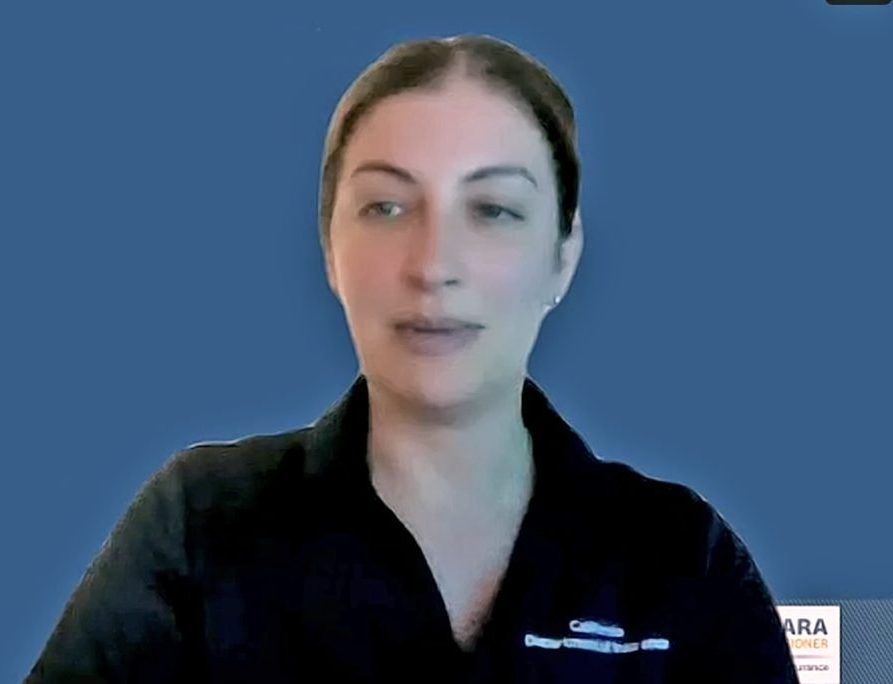
At a meeting organized by the Mountain Rim Fire Safe Council at the Hootman Center in Running Springs last week, Laura Dyberg addressed a full room of almost 60 residents who have great concerns as they either fear insurance cancellation or have already gotten cancellation notices. Present by Zoom was Andrea Valdes from the California Department of Insurance.
Dyberg’s message was both encouraging and dismal. The state is trying to address the insurance companies as they stop writing insurance in fire-prone areas; some have stopped writing insurance in the state entirely. The state promises the insurance companies a decent profit, while still trying to have reasonable rates for the homeowners who have seen their rates skyrocket from previous levels.
As reported recently in the Alpine Mountaineer, San Bernardino County is one of only several places in the state that have qualified as a Fire Risk Reduction community; ratepayers should be getting discounts on their insurance policies, after July 1, if they notify their brokers. Nevertheless, mountain homeowners are seeing their policies being canceled.
The market, insurance companies have said, is facing unprecedented stresses because of inflation raising the costs to rebuild from losses and more catastrophes hitting all parts of the country and the fire risk increasing with global warming. This has caused seven of the top 12 insurance companies in the state to restrict writing new insurance policies, including State Farm, which has written over 21 percent of the insurance policies in California, followed by Farmers, which has limited the number of policies it will write per month to 17,000 statewide. Those companies are requesting large increases in their rates, averaging 25 to 30 percent to continue writing policies in California as they claim the risks of losses are greatly increasing. It takes over six months for a rate increase from an insurance company to be processed by the State Insurance Commissioner’s office to get an approval, so the companies constantly have rate increase requests in process, since the applications are so complex. The Insurance Commissioner’s office claims they are trying to help by making insurance accessible to homeowners, creating a resilient insurance market, creating conditions to protect communities from climate change and making it possible for ratepayers to appeal their wildfire risk score because of mitigation measures they have undertaken.
They explained how the California FAIR Plan was developed as an insurer of last resort and now has become, in many places, the insurer of first resort for fire insurance. The FAIR Plan has expanded to give more options and has been modernized to the new realities of the risks and insurance industry. The state is attempting to remove people from the FAIR plan and getting them into more conventional insurance policies because the Fair Plan is such a limited plan, often leaving homeowners underinsured and at risk of great out-of-pocket expenses, in case of disaster. The goal is to have at least 85 percent of the properties in a fire-prone area to have coverage other than the FAIR Plan.
It has become incumbent on homeowners to protect their homes from fires by proactive measures. There is a Safer from Wildfires program designed to protect whole communities, since homes often burn from their neighbor’s lack of clearance, not their negligence.
The first area of being safe is protecting your home by having a safe Class A roofing, a five-foot ember-resistant zone around the house with six inches of walls above the ground of non-combustible materials, ember resistant vents, enclosed eaves and double-pane windows. Stucco or cement board is more fire resistant than wood siding.
The second area is that which surrounds the building. Clearing the surroundings of weeds and brush, trimming trees up from the ground and removing debris from under decks, creating defensible space and having sheds and out-buildings at least 30 feet from the main building.
The whole community can become a Fire Wise Community by doing these things and applying for the Fire Wise designations, which is what the Fire Safe Council is attempting to do by assisting the mountain communities with their debris chipping, green waste removal and shredding options.
The state Insurance Commissioner’s Office will issue new regulations, due to be in effect by Dec. 31, 2024, and the insurance companies have promised to write new policies with the new regulations as soon thereafter as possible. Those will be comprehensive HO-3 policies that cover fire, liability and water and many will be bundled policies but probably at higher prices. But currently, many policies are being canceled prior to that date and homeowners are desperate since mortgage companies require homeowners’ insurance. Some have resorted to paying off their mortgage and not buying insurance for the time being and hoping for the best.
Also speaking was insurance broker Paulette Bunyapanasarn, who explained the many forms and criteria insurance agents use when selling insurance. She said policies need to be written with replacement cost coverage and building code upgrade coverage. Actual cash value policies only pay up to the value of the policy with the deductions taken out. They do not account for inflation or labor costs, and she explained how minor discrepancies, such as occupancy descriptions of seasonal use, part-time use, rental and whether in a trust can have serious consequences when a claim is made. Then, she described how insurance companies will deny or underpay claims, as the long policies are written in its favor. Insurance only needs to be written for 80 percent of the home’s value which will not be enough to rebuild after all the other expenses and deductions are removed, such as any mortgage payouts. Homeowners should increase the value of policy coverage at least every three years.
Homeowners insurance also covers liability personal injury as well as home and fire insurance, which is why the state wants fewer FAIR Plan policies written as they only cover limited fire damage. It is important to tell your insurance broker when home improvements or upgrades are done and when important fire clearances such as tree removal are done, too. If canceled, find out why and appeal to your broker. You can have Cal Fire do a fire hazards inspection, remediate those problems and appeal to get your insurance reinstated.
The Mountain Rim Fire Safe Council has 10 programs on their website to help homeowners complete fire abatement and create a fire reduction community to enable them to get the new discounts that are becoming available.
The San Bernardino County Fire Protection District covers 19,000 square miles, and they will soon be issuing a letter to let brokers know of their county’s Fire Risk Reduction Community status.
Comments were made that Caltrans needs to clear the shoulders of designated fire escape routes off the mountain. But until people agitate the government agencies, it is unlikely they will clear out brush outside of their yearly or bi-yearly scheduled work times, even when a roadside area needs it. The county has written a regulation that homeowners must clear all vegetation, hanging tree branches, etc. from their property that is hanging over or into the roadside or obscuring traffic signs or around utility boxes from within 10 feet of the roadway, even if it is county right-of-way.
The insurance situation is in flux at this time, as the state approves rate increases since the peril for insurance companies is greater. The Insurance Commissioner hopes more insurance companies return to writing insurance in California as these rules and regulations change during the next few months.
The Mountain Rim Fire Safe Council hopes to hold additional meetings to update home and businessowners on these insurance changes, in both the Crestline and Twin Peaks areas.



0 Comments