




By RHEA-FRANCES TETLEY
Historian
The Arrowhead Reservoir Company (ARC) was funded by a Cincinnati syndicate headed by millionaires James Mooney and soap baron James Gamble of Proctor and Gamble in 1891. The ARC purchased 4,500 acres of land around Little Bear, Grass Valley and Huston Flats to accomplish their ambitious irrigation plans to send water to the San Bernardino Valley’s agricultural industry.
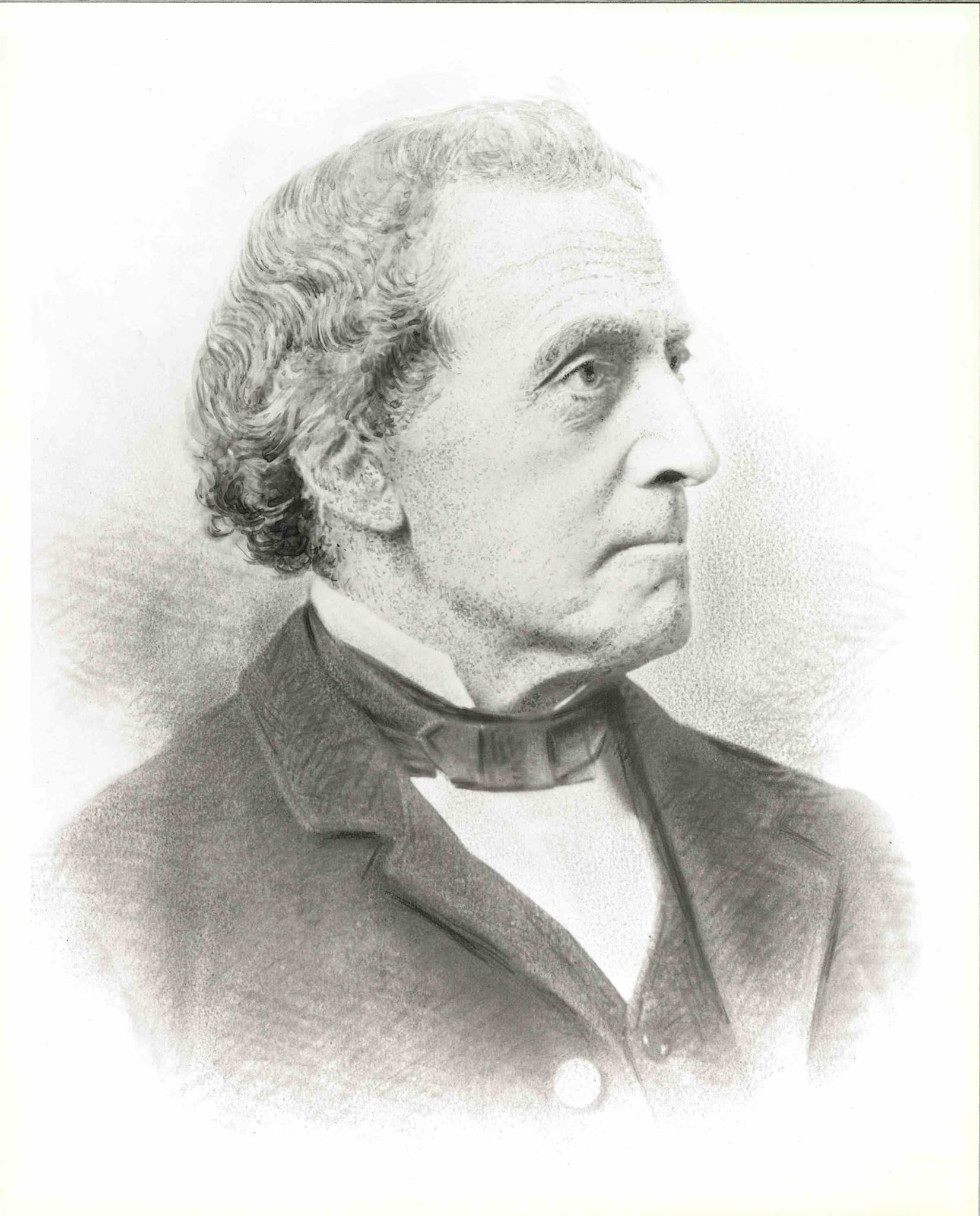
James Gamble
The project started optimistically, with Adolph Wood describing a rosy future for San Bernardino. However, plans were disrupted by the expanded scope from three to seven dams for water diversion, plus weather difficulties, tunneling problems, a world-wide depression and the Spanish-American War.
As the 20th century dawned, the project was stalled and depleted of funding. Tunnels had been dug, but dam construction had yet to begin, when Gamble, Mooney and others invested an additional million dollars. In 1901, the ARC decided an upper Waterman Canyon powerhouse would resolve their financial woes. They would channel water through a 56-inch pipe from the Willow Creek tunnel, through flumes to the south side of the mountain, where hydroelectric power would be created by a cascading waterflow, creating revenue and enabling the investors to recoup their losses and fund the remaining project expenses. This ambitious project never started.
James Mooney, an original ARC investor, arrived in 1902 from Ohio to see why the project was halted and over budget. Mooney hired a new engineer, E.H. “Ted” Kellogg, who brought in large equipment to speed up construction, intending to complete the irrigation project by 1908. This resulted in a lawsuit from the Hesperia Land and Water Company to stop any diversion of water that naturally flowed north to their area.
The decomposed granite rock of Little Bear Valley was not suitable for a masonry dam, so a reinforced cement core wall, 60-foot-thick earthen dam was designed by Kellogg. The project was refinanced to $6 million dollars in 1904, with a new name, the “Arrowhead Reservoir and Power Company” (A.R.&P.C.). The investors now anticipated larger profits from the sale of hydroelectric power, in addition to the water sales.
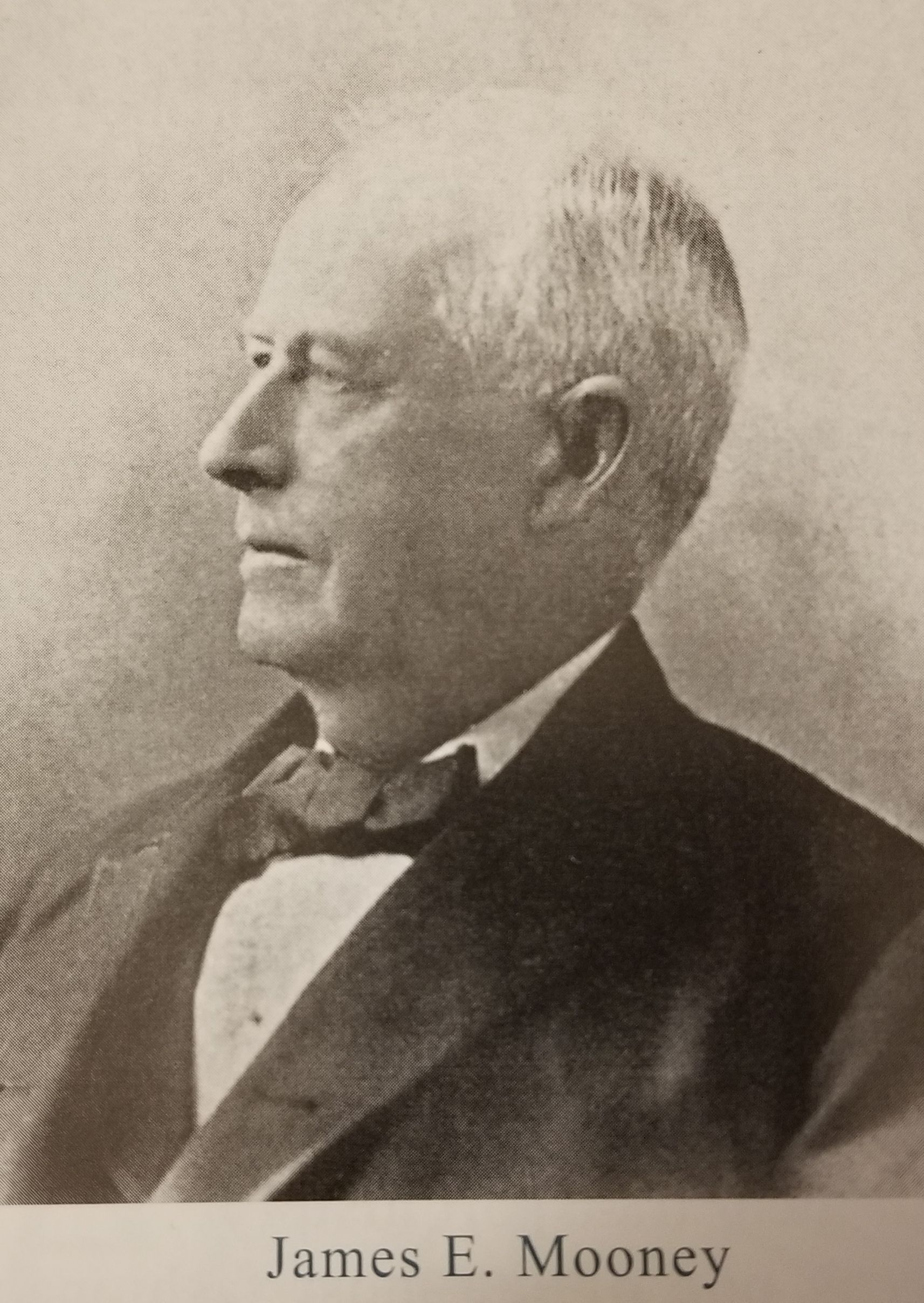
James Mooney
This plan required a taller dam. The dam’s core wall would need to be 175 feet high with the earthen embankment 30 feet higher. Mooney hired more workmen, building a workcamp at the north end of the dam site, about where the North Shore marina is today. Other work offices and cabins were built at Camp One, near the Gatehouse Shaft. The A.R.&P.C. began removing the remaining timber, excavating down to bedrock to build the dam’s core wall foundation.
Four hundred tons of cement were hauled up the dirt switchback roads by mule or oxen-drawn wagons. All the construction equipment, two narrow-gauge locomotives, 45 dump cars, a steam hammer, two steam shovels and four miles of steel train rails were hauled up the mountain to the damsite by animal power. The costs and payroll were $1,000 a day for the 150 men working on the various aspects of the irrigation project. Little Bear Dam was 43 feet high by April 1905. Things were looking up.
Then, the private Arrowhead Reservoir Toll Road, up Waterman Canyon, was purchased by the county, becoming a free public county road and traffic doubled. This made transporting the cement much more difficult, as the 16-hour wagon trips to the crest now had to also avoid the tourists. So, Kellogg designed an incline rail/cable system to transport the cement up the steep mountainside, which was almost completed by mid-winter of 1906.
As February ended, there was an 11-inch rain downpour in 30 hours. The 53-foot-high dam was only eight feet above the water level from that storm. One steam shovel was buried in mud. One hundred fifty feet of the incline’s pre-graded track bed was washed away. Hesperia again sued, asserting their water was being stolen.
Kellogg had new problems to solve. Next week, the incline story.



0 Comments