



By Rhea-Frances Tetley
Historian
Professor William Stephen came to California from Edinburgh, Scotland, in 1890. He was an educated man, a writer and performer, who fell in love with the San Bernardino Mountains. The San Bernardino Pioneer Society (the first Mormon families and their descendents) enjoyed his company and invited him to entertain at their meetings and outings.
During the summer of 1900, Bart Smithson dedicated 20 acres of his land to the Pioneers for a permanent camp location. It was becoming an annual event for the Pioneers to spend all of August and September away from the sizzling valley heat, and the professor was there, cooking and entertaining them.
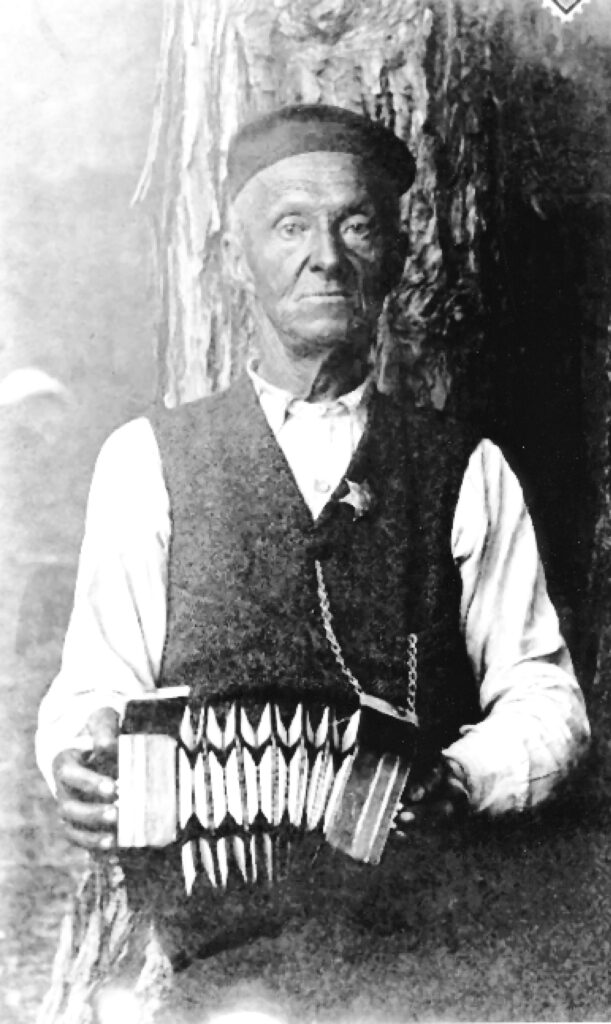
Professor William Stephen (a.k.a. “Uncle Billy”) from Edinburgh, Scotland, was a popular concertina-playing storyteller and entertainer at the mountain campgrounds, around the turn of the 20th century.
Stephen engaged the campers for hours around the campfire and was in great demand. There was always an impromptu program when he was around. He would use the talent available and combine his Scottish wit and ballads and his Shakespeare and Uncle Remus stories with the environment and, of course, play his concertina to the enjoyment of all who gathered.
In the summer of 1901, Professor Stephen was staying at Camp Lincoln as “Commissary Sergeant” (he created the position and title himself). He held evening exercises for the guests by playing his concertina and spinning his yarns. Some of the guests included John Brown Jr. and, of course, Judge Amos, after whom the camp was named (Amos was said to resemble President Lincoln).
Stephen loved funny nicknames and during this summer he received his lasting nickname, “Uncle Billy,” a term of endearment from the younger vacationers. When the summer season ended, he didn’t want to leave, so he didn’t.
Uncle Billy spent the winter on what he referred to as “the heights” as the winter caretaker at the Guernsey’s sawmill near Camp Lincoln, patrolling Guernsey’s and Arthur Gregory’s timber claims between Skyland and Huston Flat. He would stop by frequently and visit those who were also wintering on the mountain.
Stephen always brought his concertina. He played for the apple ranchers, the Knapps, Burleys, Thompsons and Tortenson families, the Smithsons at Strawberry Farm, the guards at the Squirrel Inn and the Arrowhead Reservoir workers who came up between storms to do some work. It sounds as if he was rarely lonely that winter…and he wore out his concertina.
As summer 1903 arrived, Uncle Billy was now a newspaper correspondent who sent stories regularly to the newspapers, encouraging visitors to experience the area. He was spending quite a bit of time entertaining with the new concertina the Pioneers had given to him.
Professor Stephen spent a significant amount of time at the new Skyland Inn and its adjoining campground He enthralled the audiences with his Shakespearean impersonations and songs and entertained with stories about the area (fine-tuned to be appropriate for the age of the audience). He taught woodcarving and was a fine carpenter, too.
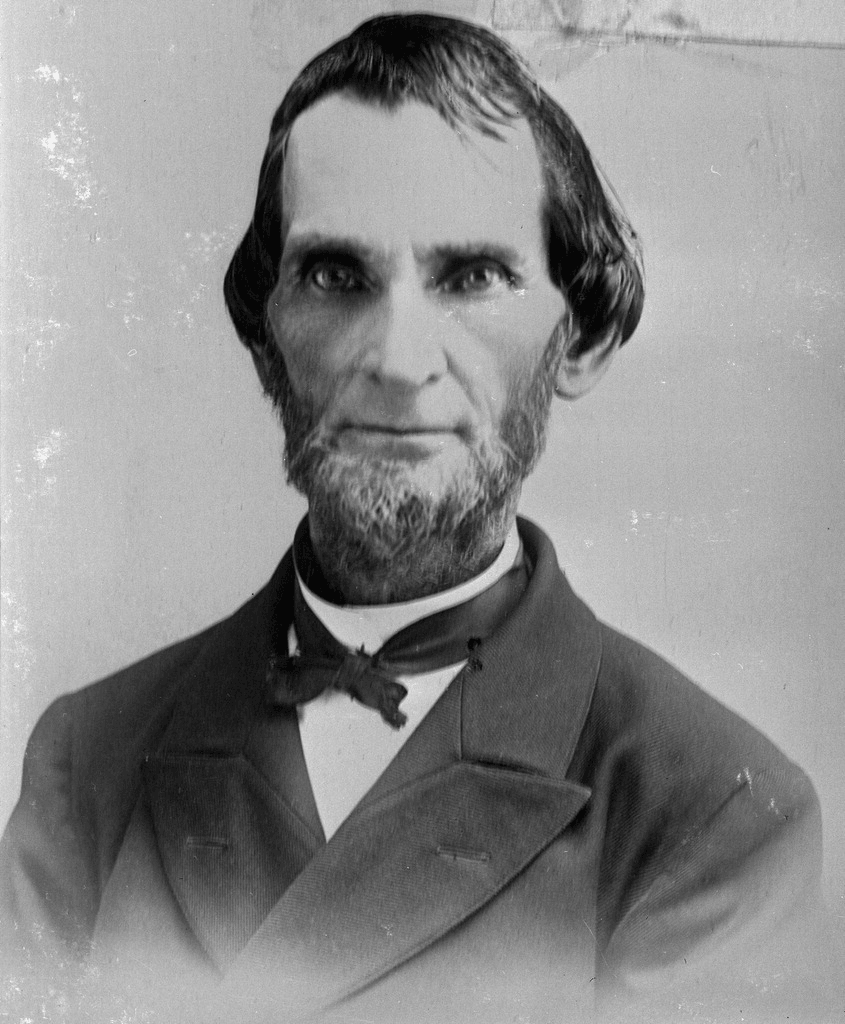
Judge John Wayne Amos whom the Pioneers named Camp Lincoln after.
Occasionally, during the year, Stephen moved his tent over to Van Ness Springs, where he observed the Gregory-Guernsey Sawmill workers in their off time, prospecting for gold. He also reported that the mill in Dark Canyon (now known as Dart Canyon) was being moved to Grass Valley and watched as they moved the locomotive steam engine to power the mill.
His newspaper articles were newsy, letter-type stories about the people and events of the mountains. It made those in the valley care about the mountains, encouraging their dream to visit sometime.
Stephen wrote about the county’s plans to build a free road. The county had two options: Either pay the Arrowhead Reservoir Company $25,000 for their toll road or save a couple thousand dollars and have Frank Talmadge rebuild the old Daley Lumber Road for $20,000. Uncle Billy wrote that the Daley route would do him and San Bernardino no good, as it was too far east to serve them. His opinion carried some weight, as the more expensive Arrowhead Reservoir Toll Road route was chosen, to the dismay and over the objection of the Arrowhead Reservoir Company.


0 Comments