




By RHEA-FRANCES TETLEY
Historian
April has a poor image in the minds of most, because it has two big tax days within it. First is Property Tax Day. The inability to pay property taxes during the Great Depression of the 1930s resulted in many mountain property owners losing their vacation homes to the state. Some sub-divisions went under due to property tax liens. Then, April 15, Income Tax Day, the double April whammy.
In mountain history, April is when plants begin to bud and the melting of the snow enabled the first of the seasonal workers in the 19th century to return to the mountain after the long winter.
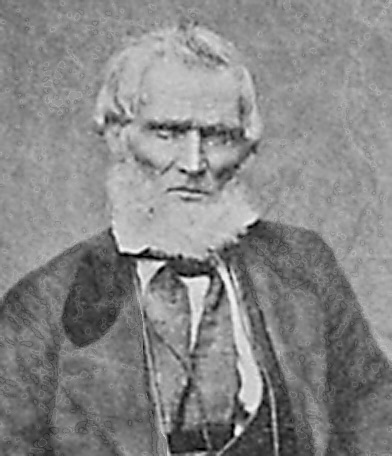
Los Angeles Assemblyman, and one of the leaders of the Mormon wagon trains to California, Captain Jefferson Hunt created the County of San Bernardino out of the County of Los Angeles in April of 1853.
It was in the last week of April in 1852 that Amasa Lyman called all men who were living in the fort in San Bernardino to build a road into the mountains. About 100 men took their bedrolls, axes, shovels and oxen, and in 10 to 15 days had created the first road to the crest up what they called West Twin Creek Canyon (now known as Waterman Canyon).
On April 26, 1853, the first bill Assemblyman Jefferson Hunt introduced after being elected to the California Assembly passed, creating San Bernardino County out of the area claimed by Los Angeles County.
The next April, David Seely sent the first load of lumber from his first full season at his ten-foot-tall water wheel-powered sawmill located in current day Valley of Enchantment on April 24, 1854. He and his brother, Wellington, had finished constructing the mill the previous summer.
On April 28, 1862, an expansion of ownership in the Mountain Steam Sawmill occurred when Daniel T. Huston sold a half interest to M. B. Pierson for $2400. The sawmill was located near current day Lake Gregory on Huston Creek. The mill had circular and mill saws, cables, a steam boiler and four timber claims. It was in operation for several years at that site.
On April 18, 1872, the first wagon of the year came up the mountain, bringing a sawmill worker and his family to open up Joe Tyler’s Grass Valley Sawmill for the season. The next week teamster Bart Smithson came up to the sawmill. The cold winds, fog and occasional snow that fell in April made working at the mills a day-to-day decision, which is why full crews did not usually arrive until either late in the month or in May. On April 27, Smithson took the first load of lumber, 1,386-board-feet, down the mountain from the Grass Valley Sawmill.
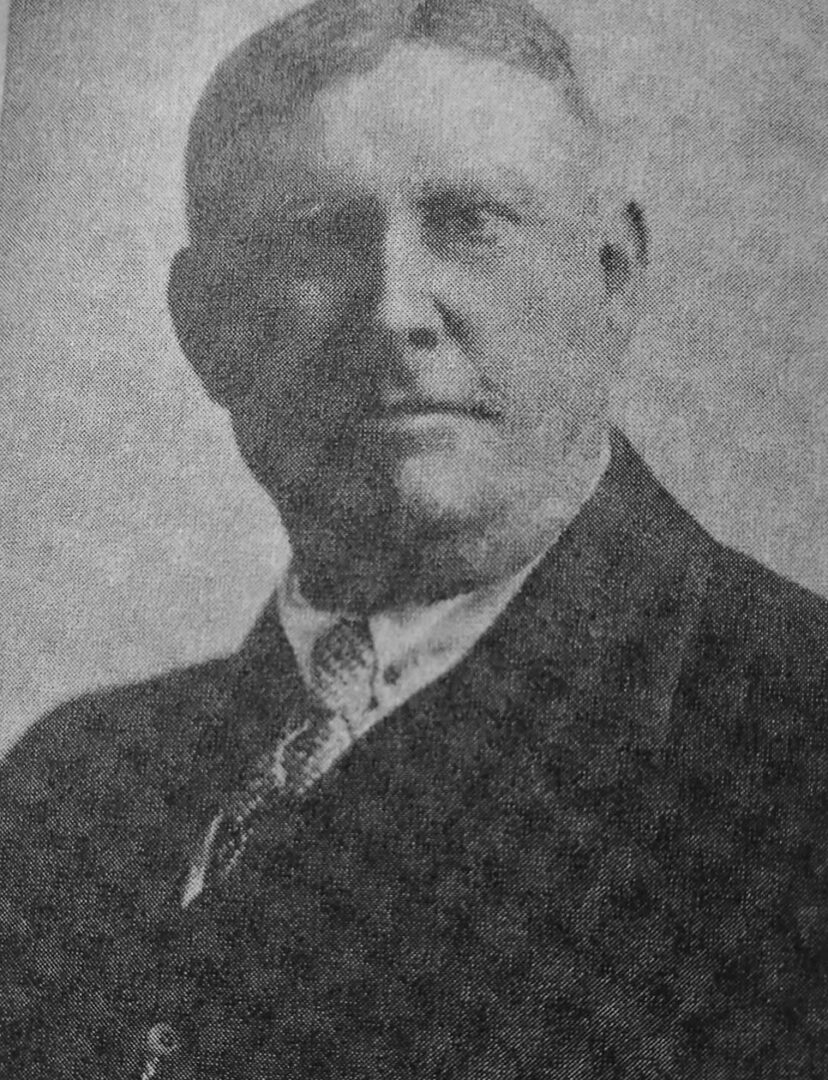
Gus Knight, who led the efforts to cut the City Creek Wagon Road through to Big Bear.
In 1883, an April survey of the Bear Valley area was made by Frank Brown, who was looking for a suitable location to dam and create a reservoir for year-round irrigation in the Redlands area. After the funding was secured and permits obtained and land purchased, he publicly announced on June 12 his intent to create the first man-made lake in the San Bernardino Mountains by building a 45-foot-tall masonry dam. This created Big Bear Lake and was the inspiration for the creation of the water reservoir project in Little Bear Valley which became Lake Arrowhead, on which work began in 1891.
By April 1892, the City Creek Wagon Road was open to the crest from the San Bernardino Valley and had been cut through to Big Bear by Gus Knight. The Danaher Post Office was established at the Highland Sawmill (owned by the Danaher Brothers) on April 23. It was located at Long Point about four miles below current day Running Springs and was estimated to serve about 500 workers and travelers. The post office closed when the Highland Sawmill closed in 1893.
Almost 35 years later to the day, after the opening of the Danaher Post Office, it was on April 25, 1927, that the Running Springs Post Office was opened. Postmaster Albert S. Parr operated it from the general store just three years after the Running Springs Park area began to be developed by B. L. Smith.
Next week, stay tuned for significant 20th Century April historical events, in the San Bernardino Mountains.
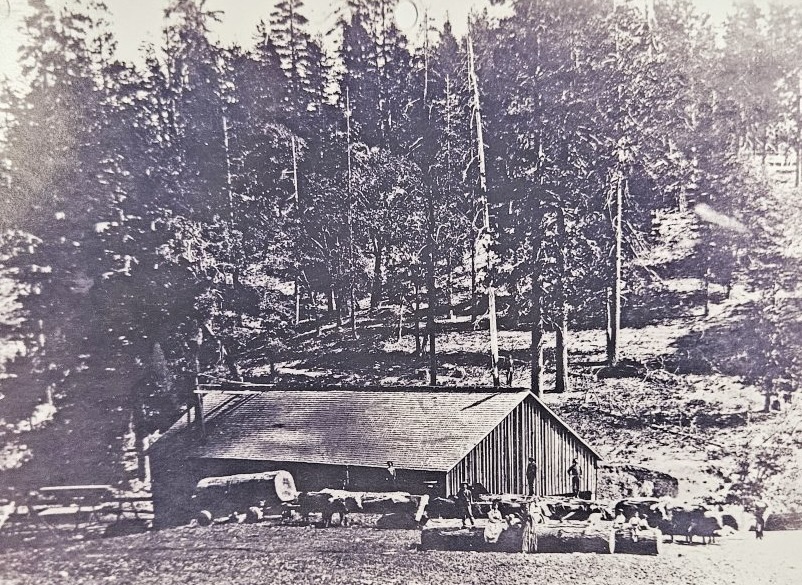
Joe Tyler’s Grass Valley Sawmill.



0 Comments